
The fascinating history of gambling From ancient rituals to modern casinos
The Origins of Gambling: Rituals and Ancient Civilizations
The history of gambling can be traced back to ancient civilizations, where it served as both a pastime and a ritualistic activity. Early evidence, such as ancient Chinese artifacts dating back to 2300 BCE, showcases the use of dice made from animal bones. These primitive forms of gambling were often intertwined with religious practices, as communities would engage in games of chance to invoke the favor of gods or to predict future events. Such rituals highlight how gambling was often seen as a bridge between the spiritual and the earthly realms. Today, you can experience the excitement of games like the Aviator by playing at sites like aviator india, which captures this essence perfectly.
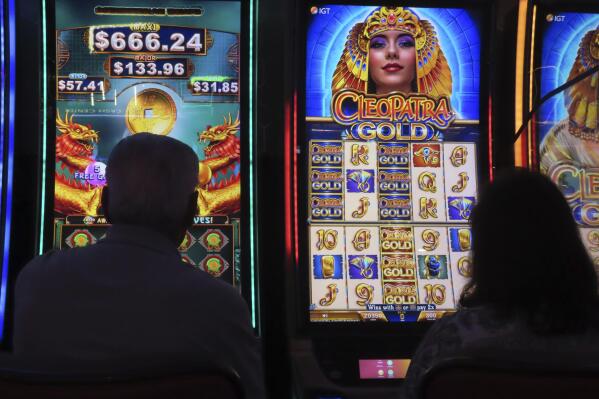
Similarly, ancient Greeks and Romans incorporated various forms of gambling into their social fabric. In Greece, games like knucklebones were played at festivals, while in Rome, dice games gained immense popularity among soldiers and citizens alike. These games were not merely entertainment; they were a means of reinforcing social bonds and showcasing one’s luck and skill. The existence of casinos, or rather communal gathering spots for gambling, can be seen in these early societies, laying the groundwork for the gaming establishments we recognize today.
As civilizations progressed, gambling practices began to evolve. The introduction of betting on sports, particularly chariot races and gladiatorial contests in Rome, created a more structured environment for wagering. This paved the way for the formalization of gambling laws and regulations. As cultures interacted through trade and conquest, gambling techniques and games spread, morphing into various regional versions, all contributing to the rich tapestry of gambling history.
The Middle Ages: From Taverns to Royal Courts
The Middle Ages marked a significant shift in gambling, with games like chess and card games becoming prevalent in the courts of Europe. The rise of these games illustrated a growing fascination with strategy and chance among the elite. Gambling became a reflection of social status, where nobles would engage in high-stakes games that could potentially elevate or ruin their fortunes. This era saw the introduction of playing cards, which originated in Asia and soon spread across Europe, leading to new forms of gambling.
Taverns became popular venues for gambling during this period, providing a more accessible setting for the general populace. Here, people engaged in dice games and card games, often with minimal regulations. The church’s stance on gambling was complex; while it was often condemned as sinful, authorities also recognized its role in community bonding and economic activity. This duality led to fluctuating regulations, with some areas encouraging gambling for tax revenues, while others sought to curb it.
The late Middle Ages saw the establishment of the first betting houses in cities like Florence and Venice, where patrons could place wagers on various outcomes. These establishments laid the groundwork for modern casinos, creating a distinct separation between gambling as a social activity and a commercial venture. The evolving nature of gambling reflected broader societal changes, including the emergence of capitalism and consumer culture in Europe.
The Renaissance and the Birth of Modern Gambling
The Renaissance was a pivotal era for gambling, marked by the innovation of games and the formalization of betting practices. The introduction of the roulette wheel in the 17th century in France represented a major leap forward. This new game, characterized by its spinning wheel and the randomness of outcomes, captured the imaginations of players and quickly spread throughout Europe. The allure of roulette exemplified the growing intersection of chance and entertainment, setting the stage for future casino games.
As gambling gained popularity, the establishment of formal gambling houses became increasingly common. These venues offered a variety of games under regulated conditions, attracting a mix of social classes. The shift from informal settings to structured establishments indicated a burgeoning industry that required oversight and governance. This led to the emergence of gambling laws aimed at protecting players and ensuring fair play, a precursor to the regulations we see in modern casinos.
The spread of gambling during this period was further fueled by exploration and colonization. As European powers expanded their empires, they brought their gambling traditions to the New World, influencing local cultures and practices. This cross-pollination of ideas and games laid the foundation for the diverse gambling landscape we recognize today, where various games from around the world coexist and evolve.
The Industrial Revolution and the Rise of Casinos
The Industrial Revolution brought about significant changes in societal structures and leisure activities, leading to the establishment of lavish casinos. As urban centers grew, individuals sought new forms of entertainment, and casinos emerged as a popular choice. The first official casino, the Casino di Venezia, opened in Italy in 1638, paving the way for others. The grand architecture and opulent interiors of these establishments attracted high society and created a culture of glamour surrounding gambling.
In the 19th century, as transportation improved, the accessibility of casinos increased. Places like Monte Carlo became synonymous with luxury gambling, drawing elites from around the globe. The development of new games, such as poker and baccarat, added to the casino experience, further enticing players. This era also saw the rise of gambling magazines and guides, helping players navigate the intricacies of different games and strategies.
The emergence of legalized gambling in various countries, including the establishment of the Nevada Gaming Control Board in the United States in the 20th century, signified a shift towards regulation and standardization. This allowed for the growth of casinos as legitimate businesses, with safety and fairness at their core. The casino industry began to flourish, leading to the establishment of iconic venues that would become cultural landmarks.
The Digital Age: Revolutionizing Gambling with Technology
The advent of the internet marked a transformative moment in the history of gambling. Online casinos emerged in the late 1990s, allowing players to engage in their favorite games from the comfort of their homes. This accessibility opened up gambling to a broader audience, as geographical and social barriers were removed. Technological advancements have enabled a plethora of games to be developed and offered online, making it possible for players to enjoy traditional and innovative gaming experiences alike.
The rise of mobile technology has further revolutionized the gambling landscape. With smartphones, players can now access casinos and games anytime, anywhere. The integration of live dealer games has replicated the brick-and-mortar casino experience online, attracting players who crave the thrill of real-time interaction. Additionally, advancements in payment technology, including cryptocurrencies, have provided new ways for players to engage in transactions, enhancing security and convenience.
As online gambling continues to grow, the industry is also confronted with challenges related to regulation, responsible gaming, and security. Governments and organizations are adapting to the digital landscape, striving to implement measures that protect players while fostering a thriving industry. This ongoing evolution ensures that gambling will remain a significant part of the entertainment landscape, blending tradition with cutting-edge technology.

Discovering New Horizons: A Look at the Future of Gambling
The future of gambling looks promising as technology continues to shape the industry. Virtual reality and augmented reality are poised to create immersive gaming experiences that blur the line between reality and the virtual world. Players may soon find themselves stepping into a digital casino where they can interact with other players and dealers in a highly engaging environment. Such innovations could redefine how we perceive and participate in gambling.
As gambling becomes increasingly integrated into daily life through online platforms, the importance of responsible gaming has never been more crucial. Initiatives aimed at promoting safe practices and providing resources for players are essential in fostering a sustainable gaming environment. The industry must balance innovation with social responsibility to ensure that gambling remains a fun and safe activity.
Ultimately, the journey of gambling—from ancient rituals to modern casinos—reflects humanity’s enduring fascination with chance, luck, and the thrill of the unknown. As new technologies emerge and societal norms evolve, the gambling landscape will continue to adapt, promising exciting developments for players and enthusiasts alike.